
Dolpa District Nepal is one of the most remote and culturally preserved Himalayan regions. As Nepal’s largest district by area (7,889 sq. km) and one of its least populated, Dolpa offers a rare combination of Tibetan culture, Bon religion, high-altitude desert landscapes, and restricted trekking routes.
Often described as a “Beyul” or hidden sacred valley, Dolpa District Nepal remains untouched by mass tourism and is ideal for travelers seeking authentic Himalayan experiences beyond Everest and Annapurna.
Where is Dolpa District Nepal Located?
Dolpa District Nepal lies in Karnali Province in western Nepal. Positioned behind the massive Dhaulagiri massif, much of the region falls within the Trans-Himalayan rain shadow zone.
This creates a dry, high-altitude desert landscape that closely resembles the Tibetan Plateau.
Lower Dolpo
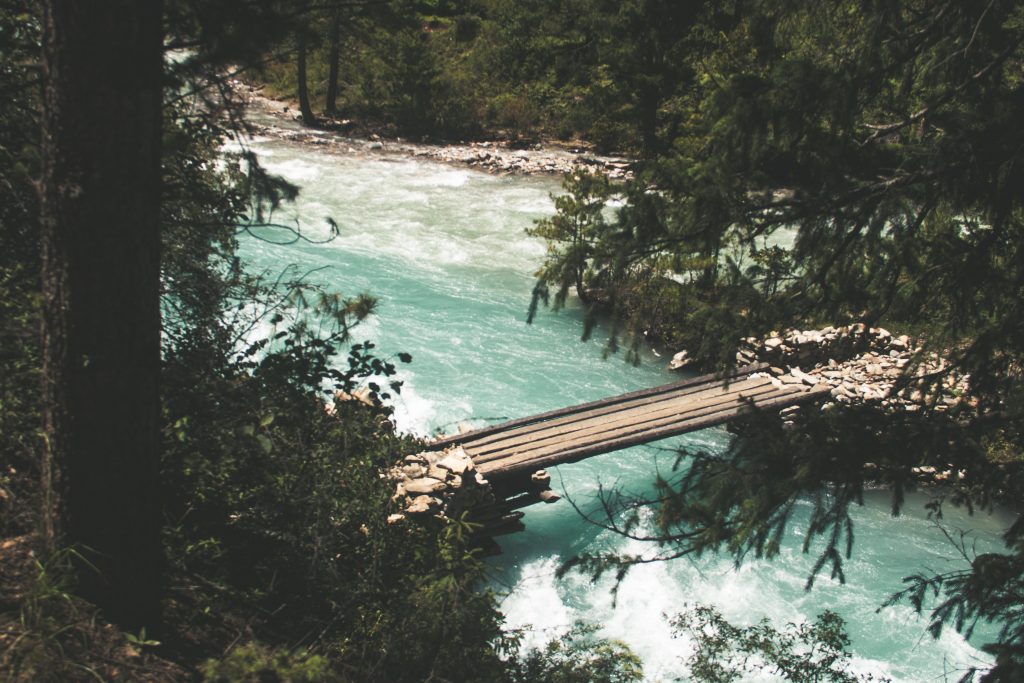
- Forested valleys and Bheri River basin
- Cultural mix of Hindu and Buddhist communities
- Easier trekking access
Upper Dolpo
- Average elevation above 4,000 meters
- Tibetan-influenced desert terrain
- Restricted trekking region
- Strong Bon religious presence
Top Attractions in Dolpa District Nepal
Shey Phoksundo National Park
Nepal’s largest national park protects rare wildlife including snow leopards, blue sheep, and Himalayan musk deer. The park spans diverse ecosystems from pine forests to alpine meadows and desert plateaus.
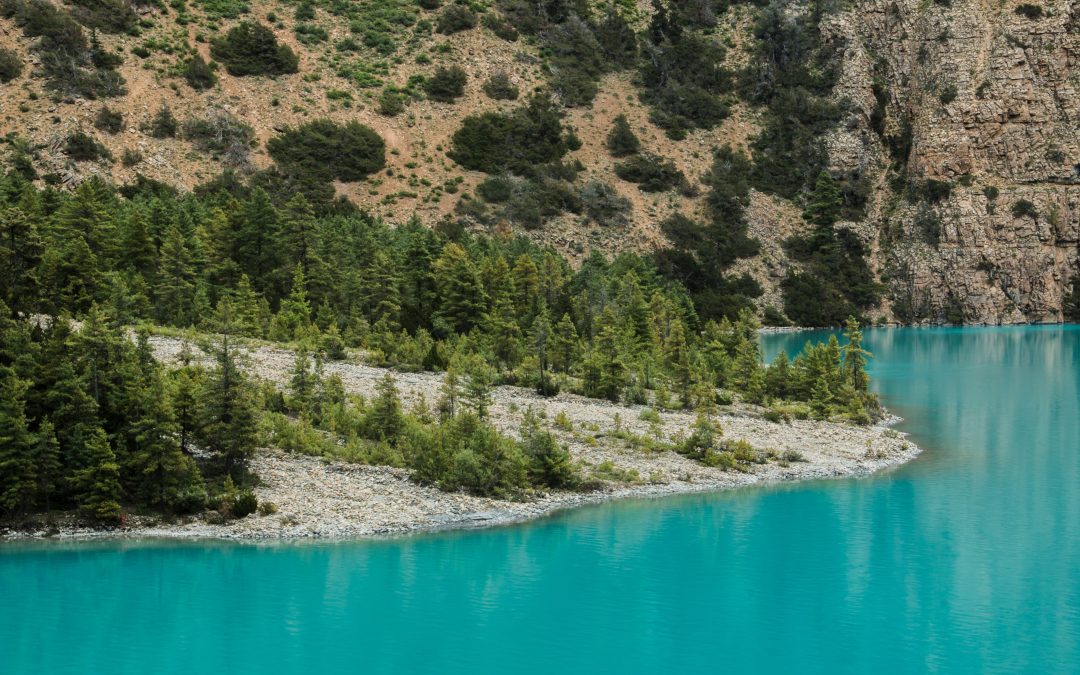
Phoksundo Lake (3,611m)
Phoksundo Lake is the most iconic attraction in Dolpa District Nepal. Known for its deep turquoise water, it is the second deepest lake in Nepal and one of the most photographed natural landmarks in the country.
Kanjiroba Himal (6,883m)
The highest peak in the region, dominating the western skyline of Dolpa.
Culture of Dolpa District Nepal: The Bon Religion Stronghold
Dolpa District Nepal is one of the last major centers of Bon, the indigenous spiritual tradition of Tibet.
Shey Gompa
Located beneath Crystal Mountain, Shey Gompa is the spiritual heart of Upper Dolpo. The monastery gained international recognition through The Snow Leopard by Peter Matthiessen.
Unique Religious Practice
Unlike Buddhist tradition, Bon followers walk counter-clockwise around monasteries and chortens, a defining cultural marker of Upper Dolpo.
Economy of Dolpa District Nepal: Yarsagumba Season
Every May and June, thousands of locals migrate to high pastures to harvest Yarsagumba (Cordyceps sinensis). This high-value medicinal fungus drives the local economy and plays a critical role in funding education and household expenses.
How to Reach Dolpa District Nepal
By Air
Juphal Airport remains the primary gateway. Flights operate mainly in the morning due to weather conditions.
By Road
- Southern route via Jajarkot (rough off-road journey)
- Northern trade routes connecting border villages to China
Dolpa Trekking Permit Information
Dolpa District Nepal includes restricted trekking zones.
Upper Dolpo Permit
- USD 500 for 10 days
- Mandatory licensed guide
- Minimum group of two
- No solo trekking
Lower Dolpo Permit
- USD 20 per week
Permits must be arranged through a registered trekking agency in Nepal.
Best Time to Visit Dolpa District Nepal
- Spring: April to May
- Autumn: September to October
Upper Dolpo can be trekked during monsoon due to the rain shadow effect, but flights may be disrupted.
Who Should Visit Dolpa District Nepal?
Dolpa is ideal for:
- Experienced trekkers
- Cultural researchers
- Photographers
- Travelers seeking remote Himalayan destinations