
Complete Nepal Visa & Permit Guide to Travel Dolpa (2025/2026)
Everything you need — from your first tourist visa to restricted area permits — to make your journey to Dunai and the heart of Dolpa smooth and stress-free.
Travelling to Dolpa, Nepal is one of the most extraordinary adventures on Earth — but it does require some paperwork. Don’t let that put you off. This complete guide walks you through every step, from getting your Nepal tourist visa to securing the special permits needed to trek in the restricted Dolpa region. We’ve updated everything for 2025/2026 so you arrive prepared and confident.
Do You Need a Visa to Enter Nepal?
Almost all international visitors need a tourist visa to enter Nepal. The good news: Nepal offers a Visa on Arrival at Tribhuvan International Airport (Kathmandu) and major land border crossings — no advance embassy visit required for most nationalities.
Indian citizens are exempt entirely and may enter with a valid Indian passport or voter ID card. Citizens of SAARC countries (Bangladesh, Bhutan, Maldives, Sri Lanka) receive a free 30-day visa on arrival.
A small number of nationalities (including Pakistan, Afghanistan, Nigeria, Ghana, and Zimbabwe) must obtain a visa in advance from a Nepalese embassy. Check the official Nepal Department of Immigration website to confirm your eligibility.
Nepal Tourist Visa — Fees & Durations (2025/2026)
Nepal tourist visas are issued for three durations. You choose at the time of arrival or online application:
| Duration | Fee (USD) | Entry Type | Notes |
|---|---|---|---|
| 15 Days | USD 30 | Multiple entry | Best for short visits & transit |
| 30 Days | USD 50 | Multiple entry | Most popular for trekking trips |
| 90 Days | USD 125 | Multiple entry | Best for extended Himalayan adventures |
You can stay in Nepal for a maximum of 150 days per calendar year. Visas can be extended at the Department of Immigration in Kathmandu or Pokhara before expiry.
What You Need at the Airport (Documents Checklist)
Arriving prepared means no delays. Here’s exactly what to have ready for your Nepal Visa on Arrival:
Trekking Permits Required for Dolpa
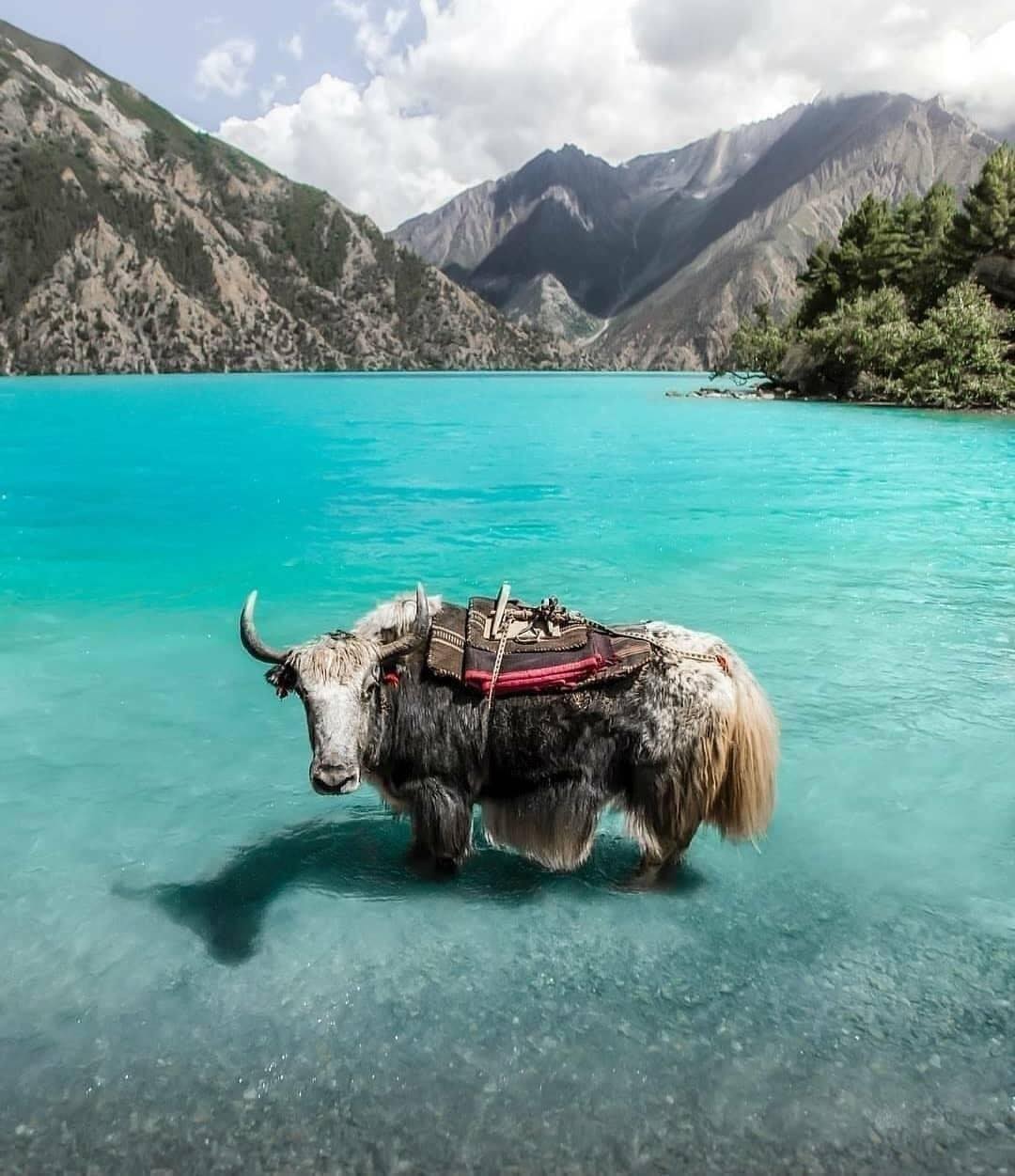
Trekkers require special permits to enter Dolpa’s restricted zones, including the area around Phoksundo Lake
Once you’re in Nepal, travelling to Dolpa requires additional permits beyond your tourist visa. The exact permits you need depend on where in Dolpa you plan to go.
| Permit | Required For | Cost | Where to Get |
|---|---|---|---|
| Lower Dolpa Restricted Area Permit | Lower Dolpa (incl. Dunai area trekking) | USD 10/week (first 4 weeks) USD 20/week after |
Through registered trekking agency |
| Shey Phoksundo National Park Permit | Phoksundo Lake & national park | USD 30 + 13% VAT (foreigners) | Park entrance gate or Kathmandu agency |
| Upper Dolpa Restricted Area Permit | Upper Dolpo region only | USD 500 for first 10 days USD 50/day after |
Only via registered trekking agency |
Lower Dolpa vs Upper Dolpa — Which Permits Do You Need?
Lower Dolpa (which includes Dunai, Phoksundo Lake, and the surrounding valley trekking routes) is far more accessible. It requires only the Lower Dolpa Restricted Area Permit and the Shey Phoksundo National Park Permit — with a total cost that is very reasonable. A typical Lower Dolpa trek costs USD 2,000–3,500 all-in for permits, flights, guide, and accommodation.
Upper Dolpa (Shey Gompa, Dho Tarap, Crystal Mountain) is where the serious permits kick in. The USD 500 per person restricted area fee for the first 10 days is intentionally high to limit visitor numbers and protect the fragile ecosystem and culture. For a 24-day round trip from Kathmandu, permit costs alone can reach approximately USD 570 per person.
Step-by-Step: How to Get Your Dolpa Permits
How to Get to Dunai — Flights & Travel Tips
Getting to Dunai, the gateway to all of Dolpa, follows a standard route: Kathmandu → Nepalgunj → Juphal (Dunai). There are no direct flights from Kathmandu to Dolpa.
From Nepalgunj, small propeller aircraft (operated by Tara Air and similar carriers) fly to Juphal Airport, which is a 15-minute walk from Dunai town and Hotel Murmur. Flights to Juphal are weather-dependent — always plan 2–3 extra buffer days in Nepalgunj to account for potential cancellations, especially in monsoon season.
Quick Summary — Everything You Need to Visit Dolpa
| Item | Details | Cost (approx) |
|---|---|---|
| Nepal Tourist Visa | 30-day on arrival at Kathmandu TIA | USD 50 |
| Lower Dolpa Permit | Required for all Dolpa trekking | USD 10/week |
| Shey Phoksundo Park Permit | Required to visit Phoksundo Lake | USD 30 + VAT |
| Upper Dolpa Permit | Only if visiting Upper Dolpo | USD 500 / 10 days |
| Registered Guide | Mandatory in all restricted areas | Varies by agency |
| Flight (KTM–Nepalgunj–Juphal) | Book well in advance | USD 200–350 approx |
Plan Your Dolpa Adventure from Dunai
Hotel Murmur is perfectly located in Dunai — minutes from Juphal Airport and the gateway to all of Dolpa’s wonders. Our team can connect you with trusted local guides and agencies. Book directly via WhatsApp.
Book Your Stay — WhatsApp